
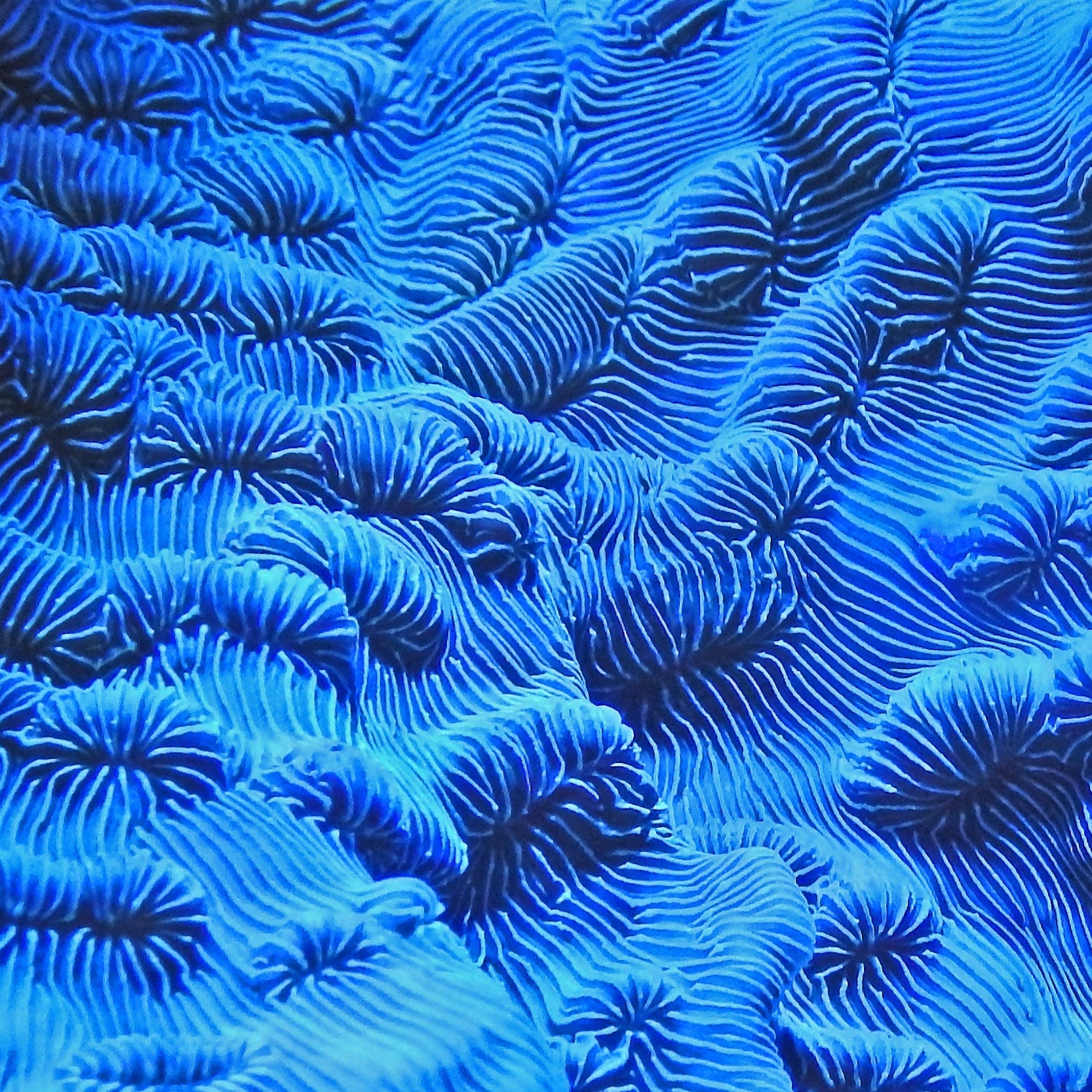
When we swim with sunscreen, chemicals such as oxybenzone can leach into the water, where corals absorb them. This and other substances contain nanoparticles that damage coral reproduction and growth cycles, ultimately leading to the bleaching and death of our coral reefs.
Coral reefs are important as they protect coastlines from storms and provide employment to local communities through food and recreation. They are also habitats for millions of marine species and are a source of carbon and nitrogen fixation.
While we may think that a little lotion we use on the beach makes no difference compared to the vastness of the ocean, studies suggest that these toxic chemicals present in certain products have a fatal impact on corals. In fact, many tourist destinations such as Palau Island, Key West, and Hawaii have banned certain brands and will even fine visitors or confiscate unwanted sunscreen. We only hope that the Dominican Republic will be next on that list.
According to National Geographic, the world's coral reefs are suffering, and chemicals commonly found in sunscreens contribute to the problem. The numbers are staggering: an estimated 14,000 tons of sunscreen are believed to enter the oceans each year; about 80 percent of Caribbean corals have been lost in the past 50 years due to pollution, coastal development, and warming waters.
Unsustainable coastal development due to population expansion (large cities like Santo Domingo with a population of almost 5 million) grows exponentially without adequate infrastructure, resulting in intensive tourism, poor land-use planning, ineffective environmental management, increased cultural, social, and economic demands, and modifications in the quality and quantity of runoff to the sea from drainage basins. All of this threatens around 80% of the Dominican Republic's reefs. However, with proper management of protected marine areas like Saint Lucia and Bonaire, Caribbean reefs have a great chance of recovering.- Andrea Vogel, marine biologist, USAID.
Solutions for reef relief.
We can choose to buy reef-safe products that contain only friendly ingredients. Gingerly products, for example: 100% made in the Dominican Republic, paraben-free, and comes in eco-friendly packaging. By using products like Gingerly, we protect our skin and our reefs.Let's be mindful of the products we use for fun in the sun. Always check those labels and use them in moderation. Hats and clothing are always a great alternative.
For more information on Happy Dolphins initiatives, please visit www.happydolphinsdr.org. Your support is very helpful!
www.Gingerlyshop.com supports Happy Dolphins DR.
By Patricia Hiraldo